Decorative Flower Embroidery Review
A First Impression That Builds Brand Warmth
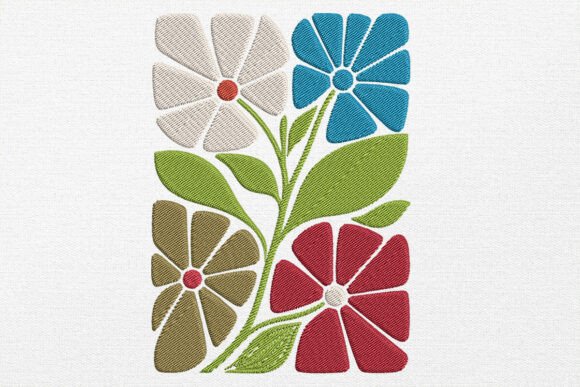
Right away, Decorative Flower Embroidery reads as approachable yet intentional — not overly fussy, not too stark. The phrase “boho floral embroidery pattern features elegant wildflowers in a minimalist style” signals a thoughtful balance: organic charm meets clean execution. For small business owners, that duality is gold. It feels handmade without sacrificing polish, friendly without reading as juvenile, and modern without losing timelessness. Whether you’re a florist launching branded totes, a bakery stitching aprons for staff, or a pet brand adding subtle charm to collar tags, this design lands with quiet confidence — not shouting, but inviting attention.
Real-World Performance Across Small Business Merch
In commercial embroidery settings, Decorative Flower Embroidery shines where subtlety and scalability matter. As an embroidered patch, it holds up beautifully on denim jackets, canvas tote bags, and woven labels — especially when stitched with matte cotton or rayon thread for texture contrast. On staff uniforms like chef coats or boutique blouses, it works elegantly as a chest accent or sleeve detail, reinforcing brand identity without overwhelming the garment. For cap embroidery, position it cleanly above the visor or centered on the back strap — its open, airy composition avoids crowding on curved surfaces.
For custom apparel like work shirts or apron embroidery, the minimalist wildflower motif adds visual interest while staying legible at 2–3 inches wide. It also translates well into printable mockups used for Etsy listings, wholesale catalogs, or client presentations — helping buyers envision how the finished product enhances their handmade product line. Because it’s rooted in the Single Flowers Plants category, it pairs naturally with other botanical motifs in your design assets, supporting cohesive visual storytelling across packaging accents, event merch, and customer gifts.
Where to Use Decorative Flower Embroidery Thoughtfully
While versatile, this machine embroidery design requires mindful placement. Avoid scaling it below 1.5 inches for patches — delicate stems and petal outlines may lose definition, especially on textured fabric like twill or heavy canvas. Cap fronts and curved surfaces demand careful digitizing: test stitch density early to prevent puckering or thread breakage. Dark uniforms (navy, charcoal, black) call for high-contrast thread colors — consider ecru, sage, or soft terracotta instead of pale yellow or white, which can fade visually.
Also note: because it leans into elegance over boldness, Decorative Flower Embroidery isn’t ideal for high-impact branding like storefront signage or large-scale tote bag designs unless paired with complementary typography or layout elements. And if your small business merch includes frequent washing (e.g., café aprons or daycare staff gear), confirm stabilizer choice matches fabric weight and expected wear — lightweight cutaway or tear-away often balances hold and drape best.
How It Strengthens Your Brand Identity
This embroidery file does more than decorate — it communicates intention. Its minimalist wildflower aesthetic subtly tells customers: “We value craft, care, and natural beauty.” That builds trust, especially for handmade brands, local studios, and service-based businesses where authenticity matters. When repeated across touchpoints — from embroidered tote bag design to product packaging accents — it creates visual consistency that boosts recognition without feeling repetitive.
Unlike generic clipart-style florals, Decorative Flower Embroidery carries personality: soft but not fragile, detailed but not busy. That nuance elevates perceived product value and encourages buyer engagement — whether someone’s browsing your Etsy shop or choosing your boutique’s custom apparel. For creative studios and crafters, it reinforces a premium handmade presentation, distinguishing your offerings in crowded digital marketplaces.
Practical Notes Every Embroidery Designer Should Confirm
- Test in black and white first: Run a monochrome stitch simulation to assess contrast and clarity before committing to thread colors.
- Verify small-patch viability: Resize the digital embroidery file to 1.75" and inspect stem thickness, petal separation, and inner negative space.
- Review thread color contrast: Especially against dark or saturated fabrics — what reads softly on screen may vanish on garment.
- Inspect spacing and density: Look for tight clusters or overlapping elements that could increase stitch density and risk fabric distortion.
- Confirm hoop size compatibility: Ensure the design fits standard hoops used in your commercial embroidery workflow.
- Test on real fabric: Stitch a sample on the exact material you’ll use — fabric texture dramatically affects final appearance.
- Use proper stabilizer: Match stabilizer weight and type (cutaway, tear-away, wash-away) to both fabric and intended use (e.g., heavy-duty for aprons).
- Create a client-ready mockup: Embed the design into a realistic printable mockup to secure approval before production begins.
- Compare alongside other assets: Place Decorative Flower Embroidery beside your logo, typography, and secondary patterns to ensure harmony.
- Confirm commercial licensing: Since this is intended for small business merch, verify the license permits use on physical products sold to end customers — don’t assume DIY rights extend to resale.
Remember: even a beautiful Embroidery design like Decorative Flower Embroidery only delivers full value when aligned with your brand’s voice, audience expectations, and production realities. Treat it not just as decoration — but as a strategic, tactile extension of your story.