Valentine Mimi: A Seasonal Embroidery Design Review
First Impression: Sweet, Festive, and Instantly Recognizable
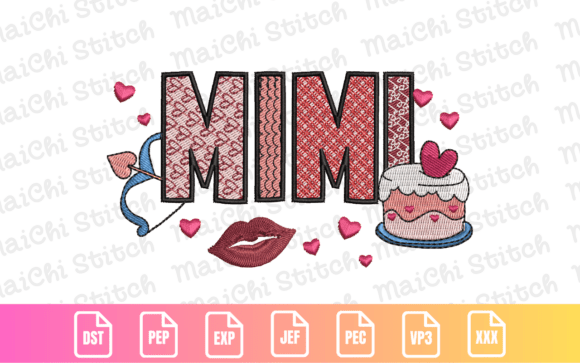
Opening the Valentine Mimi embroidery file, I immediately felt its seasonal pulse—romantic but not saccharine, playful without sacrificing polish. The bold decorative letters anchor the design, filled with delicate pink patterns that suggest hand-drawn charm rather than digital rigidity. Floating hearts, soft lips, Cupid’s bow, and that trailing “c” (likely a charming “cute” or “cherish” cue) create movement and warmth. It reads as cute and cozy, with a modern-romantic tone perfect for February shoppers seeking heartfelt handmade gifts—not generic mass-market vibes. This isn’t nostalgic or rustic; it’s fresh, intentional, and emotionally resonant for customers gifting love to moms, daughters, sisters, or best friends named Mimi.
Real-World Product Performance Across Holiday Channels
Valentine Mimi shines where emotional connection drives purchase decisions. On oversized sweatshirts or relaxed-fit tees, it becomes a statement piece—ideal for family matching sets (think mom + daughter + toddler in coordinating pinks and creams). As a tote bag design, it adds instant charm to gift bundles: pair it with chocolate, a handwritten note, and a mini succulent for an Etsy listing that converts. For kitchen towel embroidery or pillow covers, the floating motifs translate beautifully into soft home decor—especially when stitched with matte cotton thread on linen-cotton blends.
At craft fairs, Valentine Mimi stands out in mockups displayed on neutral backdrops: a framed pillow cover beside a folded apron, both embroidered with consistent thread tones, signals quality and curation. As an embroidered patch, it lends itself to denim jackets, backpacks, or even baby onesies—expanding its lifecycle beyond February 14. And for social media previews? Its strong silhouette and balanced negative space scale well in Instagram carousels and Pinterest pins, especially when paired with printable mockups showing realistic fabric texture and stitch detail.
Where to Use Valentine Mimi Thoughtfully
This design demands mindful application. Its bold letters and layered motifs mean stitch density is likely moderate-to-high—so avoid ultra-thin stabilizer on stretchy garments like ribbed knits or curved caps. On dark fabric, test thread colors thoroughly: light pinks may fade visually unless paired with tonal underlay or slightly brighter rose or blush shades. Thick terry cloth kitchen towels require cutaway stabilizer and possibly reduced top tension to prevent puckering around dense letter fills.
Small hoop sizes (under 4x4 inches) will challenge the full composition—consider cropping to just “Mimi” or using the heart-and-bow cluster separately for ornaments or sachets. Tiny lettering inside the “M” or “i” shapes? Verify clarity at 3x magnification post-stitching. Metallic thread should be reserved for accents only—lips or bow details—not full letter fills—unless you’ve confirmed commercial-grade metallic compatibility in your machine embroidery design.
Seasonal Appeal & Buyer Psychology in Action
Valentine Mimi taps directly into what makes holiday embroidery sell: personalization with personality. It’s not just “Valentine’s”—it’s *her* name, styled with affection and care. That elevates perceived value, supports premium pricing for small shop products, and increases giftability. Customers trust a design that feels intentional—not templated—and Valentine Mimi delivers visual recognition at a glance, reinforcing brand consistency across your seasonal embroidery collection.
During peak holiday shopping, this design fuels engagement: shoppers tag friends (“This is SO Mimi!”), save listings for later, and share mockups organically. Paired with a cohesive color palette—dusty rose, warm ivory, soft sage—it strengthens your shop’s aesthetic across Etsy, email banners, and printable promotional graphics. It also invites storytelling: “Celebrate your sweet Mimi” becomes more than copy—it’s an invitation to memory, inside jokes, and shared identity.
Practical Designer Notes Before You Stitch
- Test thread colors on both light and dark fabric swatches—especially for pink pattern fills—to ensure contrast and warmth hold up after washing.
- Check stitch density in the letter interiors and floating elements; high density may require longer stitch times and careful tension calibration.
- Confirm hoop size before digitizing adjustments—some versions may be optimized for 5x7, others for larger formats ideal for pillow covers or tote bags.
- Use appropriate stabilizer: medium-weight cutaway for stable fabrics (towels, canvas), tear-away with topping for knits, and water-soluble for delicate lace overlays.
- Create realistic mockups using actual fabric samples—not just white backgrounds—to preview how light reflects off stitches and how motifs interact with texture.
- Review small details post-stitch: verify lip definition, heart symmetry, and bow curvature—subtle flaws become obvious under close inspection.
- Plan matching color palettes across your seasonal embroidery lineup—coordinate Valentine Mimi with complementary designs (e.g., “Love Note” script or “Cupid’s Arrow” motif) for bundle appeal.
- Confirm commercial licensing before selling finished product—this is essential for Etsy sellers, apparel decorators, and small business owners offering personalized gifts.
Final Thought: A Design That Sells Because It Feels Human
Valentine Mimi works because it balances technical execution with emotional resonance. It’s designed for real people making real holiday embroidery choices—not just for machines, but for mothers choosing a keepsake onesie, for makers curating a limited-edition drop, for Etsy sellers building trust through thoughtful seasonal embroidery. When your customer sees “Valentine Mimi” stitched cleanly on a soft-knit sweater or embroidered patch, they don’t see stitches—they see love, attention, and a name made special. That’s why it belongs in your Valentine S Day collection. Just remember: test, stabilize, and tell the story behind the stitch.