Hummingbird Embroidery Design
A Designer’s First Look: Grace, Detail, and Quiet Joy
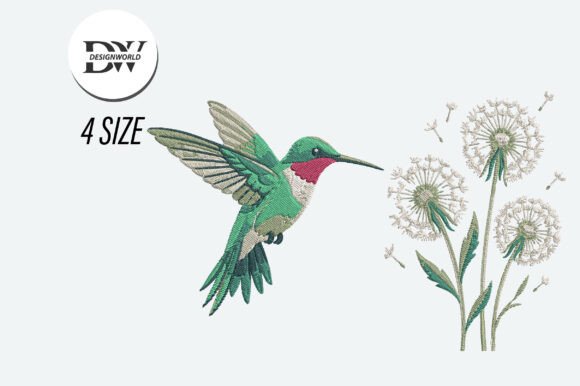
As an embroidery designer who’s developed over 300 machine embroidery designs for small shops and Etsy sellers, I opened the Hummingbird Embroidery Design expecting charm — and I got more. This isn’t just a bird motif; it’s a quiet moment suspended in thread: a hummingbird mid-hover, wings blurred with motion, surrounded by soft botanicals — tiny ferns, curling vines, and petite blossoms that don’t overwhelm, but invite closer looking. The mood is elegant yet approachable — romantic without being fussy, delicate without feeling fragile. It leans classic with a whisper of modern botanical illustration. For customers seeking meaning over trend, this design delivers emotional resonance: hope, lightness, resilience, and gentle celebration.
Where This Design Truly Shines — Real Gift Use Cases
The Hummingbird Embroidery Design excels where personal meaning meets tactile warmth. On a blanket embroidery for a newborn, its fine lines translate beautifully into heirloom softness — especially when stitched in matte cotton thread on organic cotton or bamboo blend fabric. As a wedding gift, it elevates a linen pillow cover or monogrammed handkerchief with quiet sophistication — no lace needed, no glitter required. For baby embroidery, pair it with a neutral onesie or swaddle wrap (using lightweight stabilizer and reduced stitch density) to avoid stiffness. It also transforms everyday items: an embroidered towel gains instant artisan appeal, a canvas tote bag becomes a conversation starter, and a linen apron feels like a cherished kitchen heirloom.
Etsy sellers and small shop owners will appreciate how naturally this design supports storytelling in listings. A printable mockup showing the Hummingbird Embroidery Design on a nursery wall hanging or baby milestone blanket invites buyers to imagine it in their own space. For craft fairs, stitch a few variations on scrap fabric — light thread on dark linen, pastel thread on oatmeal cotton — and display them with handwritten tags highlighting “handmade product” and “personalized gift.” That visual authenticity builds immediate trust.
Thoughtful Placement Matters — Know Your Limits
This design’s beauty lives in its subtlety — which means thoughtful execution is essential. Avoid placing it where fine details could vanish: small lettering near the hummingbird’s eye or wingtips may not digitize cleanly at under 2 inches tall. On textured fabric like terry cloth or heavy jacquard, test first — those delicate floral outlines can blur if the base fabric swallows stitches. Thick towels demand extra care: use cutaway stabilizer and reduce stitch density slightly to prevent puckering and bulk. With stretchy baby clothes, opt for tear-away + topping combo and skip dense fill areas near seams. Curved surfaces — think mugs or curved tote handles — aren’t ideal unless you’re using specialized hoops or cap frames.
Dark fabric? Absolutely possible — but confirm your thread colors offer enough contrast before stitching the final piece. And remember: frequent washing impacts longevity. For high-use items like kitchen towels or baby blankets, choose high-quality polyester or rayon threads and reinforce backings. Always check the embroidery file metadata for recommended hoop size — matching it ensures proper registration and avoids trimming issues during production.
Why Customers Connect — Beyond Aesthetics
What makes the Hummingbird Embroidery Design more than decoration? It signals intention. A hummingbird carries layered symbolism — joy, healing, presence, even remembrance — making it a natural fit for milestone gifts: a birth announcement, a sympathy keepsake, or a “just because” gesture for someone rebuilding. That subtext lifts perceived value instantly. Buyers don’t just see stitching — they feel thoughtfulness. In product photography, this design performs exceptionally well: clean lines pop against minimal backdrops, and natural lighting highlights its dimensionality. That translates directly to higher engagement on Etsy listings and social previews.
For handmade sellers, it reinforces authenticity. Unlike mass-produced prints, this custom embroidery feels earned — each piece requires skill, attention, and care. That craftsmanship builds customer trust, encourages repeat orders, and fuels word-of-mouth referrals. When a new parent receives a nursery pillow with this design, they’re not unboxing fabric — they’re receiving a tactile memory. That emotional connection is what turns one-time buyers into lifelong fans.
Practical Notes Every Maker Should Run Before Stitching
- Test on scrap fabric first — especially if switching from cotton to linen or rayon.
- Check thread color contrast on both light and dark fabric swatches before finalizing your palette.
- Confirm hoop size compatibility — mismatched hoops cause misalignment and wasted time.
- Review stitch density; overly dense fills on delicate fabrics increase stiffness and wear.
- Use appropriate stabilizer: cutaway for knits and towels, tear-away for stable wovens, topping for textured surfaces.
- Compare light/dark fabric mockups — what reads as airy on ivory may disappear on charcoal.
- Inspect small details post-stitch: wing veins, petal edges, and stem curves should remain crisp.
- Verify commercial licensing before selling finished products — ensure your source permits commercial embroidery use.
Final Thought: A Timeless Anchor for Meaningful Making
The Hummingbird Embroidery Design isn’t flashy — and that’s its strength. In a market flooded with bold fonts and maximalist motifs, it offers breathing room. It suits the small shop product that values integrity over impulse, the digital embroidery file that becomes a family heirloom, and the personalized gift that says, “I saw you — and made something just for that.” Whether you're an Etsy seller curating a spring collection, a wedding gift designer building a signature style, or a baby product creator layering meaning into every stitch, this design earns its place in your library. Just remember: let its elegance speak through your care — in fabric choice, thread selection, and intentional placement. That’s where true handmade quality lives.