Polar Bear: A Seasonal Embroidery Design Review
First Impressions: Cozy, Festive, and Timelessly Refined
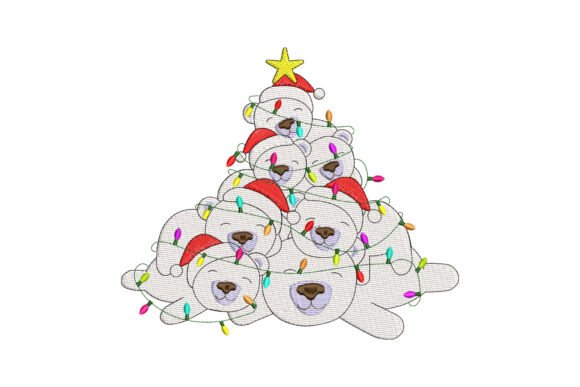
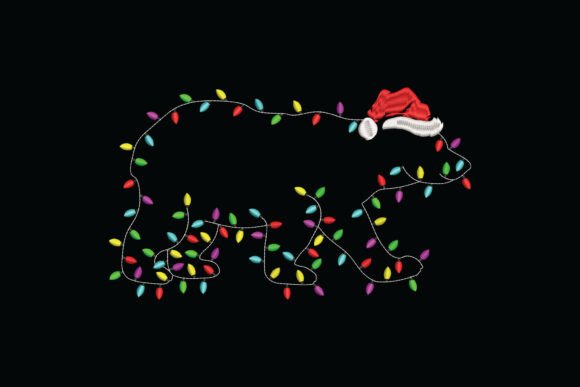
When I opened the Polar Bear machine embroidery design for the first time, I felt that quiet spark of seasonal confidence—the kind that tells you, “This one will sell.” It’s not overly cartoonish or cutesy, nor is it stark or minimalist. Instead, Polar Bear strikes a rare balance: soft yet structured, gentle yet distinctive. The pose—head slightly tilted, paws relaxed—evokes calm winter wonder, not just Christmas cheer. There’s a subtle elegance in the fur texture and contour stitching that reads as premium without demanding high-end thread or complex digitizing skills. It feels cozy, nostalgic, and quietly festive—ideal for shoppers seeking warmth over whimsy.
Real-World Holiday Use: Where Polar Bear Shines
I immediately pictured Polar Bear across my seasonal shop lineup—not as a single listing, but as a unifying motif. On heavyweight cotton sweatshirts, it anchors family matching sets with quiet charm. As a tote bag design, it transforms everyday carry into a holiday-ready statement—especially when paired with natural jute or cream canvas. For kitchen towel embroidery, the clean lines and moderate detail hold up beautifully against textured weaves, and its scale works equally well centered on tea towels or subtly corner-placed on dish cloths.
Polar Bear also excels in gift-ready contexts. Stitched onto pillow covers or linen napkin sets, it adds heirloom appeal to home decor bundles. As an embroidered patch, it lends instant character to denim jackets or wool caps—perfect for craft fair displays where tactile quality drives impulse buys. And for personalized gifts? Pair it with monogrammed initials on baby onesies or toddler bibs—it’s gentle enough for delicate items, yet bold enough to read clearly in social media previews and printable mockups.
Etsy sellers will appreciate how Polar Bear supports cohesive storytelling: use it across product photos, digital banners, and even printable promotional graphics to build visual recognition during peak holiday browsing. Its versatility means fewer design variants needed—just one strong, adaptable seasonal embroidery file doing heavy lifting across apparel, linens, and decor.
Where to Use Polar Bear Thoughtfully
Like any thoughtful holiday embroidery design, Polar Bear rewards intentionality—not just enthusiasm. Avoid using it at ultra-small hoop sizes (under 3” diameter) where facial expression and fur definition may blur. Tiny lettering isn’t part of this design, but if you plan to add custom text (e.g., “Our First Christmas”), test placement and font pairing separately—don’t assume automatic compatibility.
Thick terry cloth towels or heavily textured fabrics demand extra stabilizer layers; Polar Bear’s balanced stitch density holds up well, but skip lightweight tear-away on dense weaves—opt for cutaway or hybrid instead. On dark fabric, confirm contrast with your chosen thread colors: light grays and icy blues pop beautifully, but avoid near-black threads that mute dimension. Metallic thread can elevate accents (like snow-dusted ears), but only if your machine handles it reliably—test first.
For stretchy garments like ribbed knit long-sleeve tees, use a light fusible stabilizer and reduce top tension slightly. Curved surfaces—like baseball caps or mugs with wrap-around embroidery—require repositioning the design or selecting a simplified version (if available). And always consider wear-and-wash cycles: if marketing Polar Bear on baby blankets or kids’ aprons, verify that stitch density allows for repeated laundering without fraying.
Seasonal Impact: More Than Just a Design
Polar Bear strengthens seasonal appeal by tapping into emotional resonance—not just calendar timing. It signals comfort, quiet joy, and shared tradition. That translates directly to buyer trust: customers recognize craftsmanship in its clean outlines and intentional spacing, making them more likely to choose your handmade gift over mass-produced alternatives.
It also lifts perceived product value. A simple cream pillow cover becomes special with Polar Bear—not because it’s flashy, but because it feels considered. That nuance matters during holiday shopping, when buyers weigh sentiment alongside function. For small shop products, this design supports brand consistency across categories: same motif, different applications, unified mood. And because it’s not tied exclusively to December 25th, it extends shelf life—think “winter solstice,” “new year coziness,” or “first snowfall” collections beyond strict Christmas labeling.
Practical Designer Notes Before You Stitch
- Test thread colors on both light and dark fabric swatches—especially cool-toned grays and off-whites that enhance the wintry feel.
- Check stitch density before scaling: avoid stretching beyond recommended dimensions, as denser areas may pucker on lightweight cotton.
- Confirm hoop size and digitizing clarity—some versions may include optional outline-only files for tracing or layered fills for texture variation.
- Use proper stabilizer based on fabric texture: cutaway for knits, medium-weight tear-away for stable wovens, and water-soluble topping for plush surfaces.
- Create realistic mockups—not just flat PNGs. Show Polar Bear stitched on a folded towel, a draped sweatshirt cuff, or a gift-boxed ornament to convey context.
- Review small details after stitching: check ear tips, eye highlights, and paw contours—they’re where quality perception crystallizes.
- Plan matching color palettes across your collection: think charcoal, oatmeal, frost blue, and muted evergreen—not just red and green.
- Confirm commercial licensing before selling finished seasonal products. As a digital embroidery file, its use in physical goods requires clear rights—don’t assume “premium” implies blanket permissions.
Ultimately, Polar Bear isn’t just another Christmas embroidery file. It’s a versatile, emotionally intelligent tool—one that helps small business owners, Etsy sellers, and handmade gift makers deliver seasonal meaning, not just seasonal noise. When stitched with care and placed with purpose, it doesn’t just decorate a product—it invites connection. And in the rush of holiday commerce, that’s the detail that lasts.