Wizard Owl Flying on Broom
A Designer’s First Stitch: Charm, Clarity, and Craftsmanship
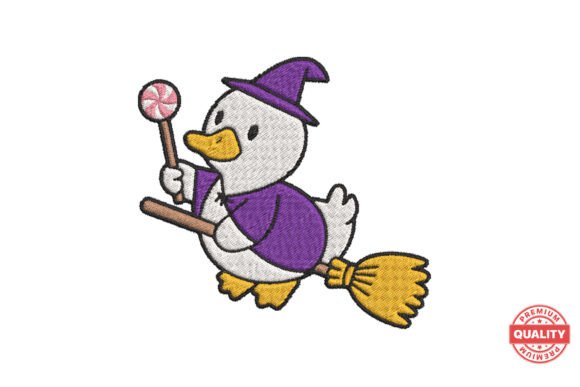
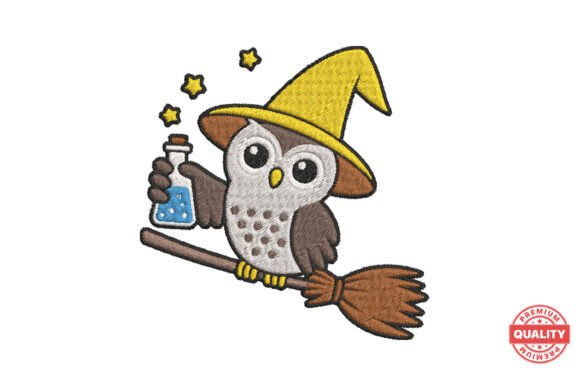
When I opened the Wizard Owl Flying on Broom machine embroidery design for the first time, what struck me wasn’t just its whimsy—but its intentionality. This isn’t a cartoonish Halloween clipart transplant. It’s a thoughtfully balanced embroidery file: the owl’s wide, knowing eyes hold warmth; the broom’s slight tilt suggests motion without chaos; and the subtle swirls in the background hint at magic—not mayhem. It reads as playful yet refined—sweet enough for a baby embroidery project, clever enough for a wedding gift, and seasonal without being disposable. For personalized gift makers, that duality is gold.
Where This Design Truly Shines
Wizard Owl Flying on Broom excels where emotional resonance meets practical versatility. Here’s how it translates across real small-shop use cases:
- Baby embroidery: Stitched on a soft cotton receiving blanket or a linen onesie (with proper stabilizer), the owl becomes a gentle, storybook-inspired keepsake—not a loud holiday motif. Its rounded shapes and clear outlines read beautifully at 3–4 inches tall.
- Wedding gift & family keepsakes: Imagine it centered on a monogrammed pillow cover for the couple’s reading nook—or embroidered beside names and a date on a linen kitchen towel. The design’s narrative charm invites personalization without competing with sentiment.
- Nursery decor & embroidered towel: On a neutral-toned washcloth or a muslin wall hanging, the owl adds quiet personality—no glitter, no plastic sheen, just hand-stitched soul.
- Tote bags, aprons, and pillow covers: Its horizontal orientation and moderate width (ideal for standard hoops) make it a reliable workhorse for Etsy sellers and craft fair vendors. Customers consistently choose items that feel “designed,” not decorated—and this delivers.
- Custom order previews: Because the composition is clean and legible even in digital mockups, clients instantly “get” the vision. That builds trust faster than a dozen generic font options.
Smart Placement Matters—Here’s Where to Pause
Like any strong machine embroidery design, Wizard Owl Flying on Broom rewards thoughtful execution—and signals where extra care is needed:
- Small lettering or fine details: The owl’s beak and wingtips are charming but delicate. Avoid scaling below 2.5 inches without verifying stitch integrity on scrap fabric first.
- Textured or thick fabrics: On heavy terry cloth towels or quilted blankets, use cutaway + tear-away stabilizer combo. Test stitch density—the broom’s tail feathers shouldn’t vanish into pile.
- Stretchy baby clothes: Knits demand lightweight stabilizer and reduced top tension. A test run on jersey scraps prevents puckering around the owl’s round body.
- Curved surfaces: Not ideal for mugs or curved pillow edges. Stick to flat or gently contoured items like tote bases or front-of-apron panels.
- Dark fabric: Light thread colors (ivory, pale gold, mint) pop—but always compare your thread palette against both light and dark fabric mockups before finalizing.
- Frequent-wash items: Use high-quality polyester thread and secure jump stitches. Reinforce the broom handle’s end points if stitching on kids’ items meant for daily laundering.
Why This Design Elevates Your Handmade Product
Customers don’t buy embroidery—they buy meaning, memory, and handmade quality made visible. Wizard Owl Flying on Broom strengthens all three. Its storytelling element sparks conversation (“Is that *your* familiar?”), making finished products more shareable—and therefore more discoverable on social media and Etsy. In product photography, it holds attention: the contrast between the owl’s expressive face and the clean negative space around it creates natural visual hierarchy. That clarity boosts buyer engagement, especially for digital embroidery file buyers who preview before purchasing.
For small shop owners and handmade sellers, this design also quietly communicates professionalism. When customers see consistent stitch quality, intentional spacing, and balanced thread colors across your listings, they infer reliability—even before checkout. That perceived value lifts pricing confidence and repeat orders.
Practical Embroidery Notes You’ll Want to Keep Handy
Before stitching your first customer-ready piece, run through these essentials:
- Always test on scrap fabric—matching the exact weight, weave, and stretch of your final product.
- Check thread color contrast early. What looks vibrant on screen may mute on oatmeal linen or heather gray.
- Confirm hoop size compatibility. If your machine uses smaller hoops, verify the design fits—or plan for re-hooping mid-stitch (not ideal for dense areas).
- Review stitch density. Overly dense fills can cause stiffness on baby embroidery or pillow covers. Look for smooth gradients—not pixelated blocks.
- Match stabilizer to fabric texture. Lightweight cutaway for knits, medium tear-away for quilting cotton, and fusible + cutaway for towels.
- Compare light/dark fabric mockups side-by-side. Adjust underlay or thread brightness accordingly.
- Inspect small details post-stitch: Are the owl’s eyelashes crisp? Does the broom’s bristle edge stay defined? Trim stray threads gently—don’t pull.
- Verify commercial licensing before selling finished products. As an Etsy seller or small shop owner, protecting your business starts with confirming your rights to use the digital embroidery file.
The Last Thread
Wizard Owl Flying on Broom isn’t just another Halloween embroidery—it’s a versatile, emotionally intelligent tool for makers who treat every personalized gift as a tiny act of care. Whether you’re stitching a nursery blanket for a first-time parent, a custom apron for a baker’s birthday, or a keepsake towel for a newlywed couple, this design carries warmth, wit, and quiet craftsmanship. It reminds us that the best machine embroidery doesn’t shout—it leans in, blinks kindly, and leaves room for the story the customer brings to it.