Colorful Embroidery Stitch Patterns Show Review
I have been working with embroidery designs long enough to know that a clean presentation on a white background can either reveal a design's true potential or quietly expose its limitations. When I first opened Colorful Embroidery Stitch Patterns Show, I was not looking for decoration. I was looking for something I could trust on a real project, under real thread, stretched across a real hoop, and eventually handed to a real customer. The collection immediately felt like a reference library of stitch formations rather than a scattered set of decorative ideas. That distinction matters more than most people realize.
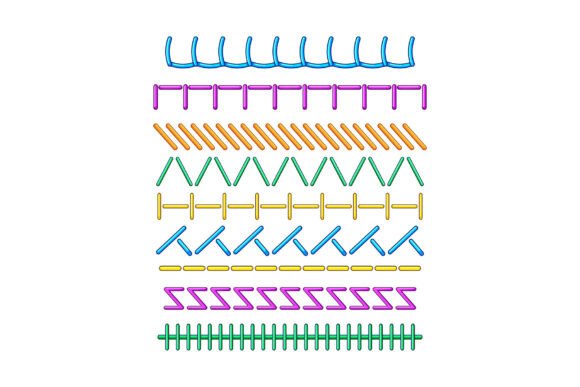
The mood is bright but not childish, structured but not stiff. There is an organized rhythm to the way the thread stitching formations are arranged across the frame. The white background acts as a neutral canvas, which makes color selection feel open rather than dictated. For a designer who builds custom color palettes around seasonal collections or client branding, this kind of visual neutrality is a quiet advantage. It lets the actual stitch personality do the talking.
First Look at the Thread Formations
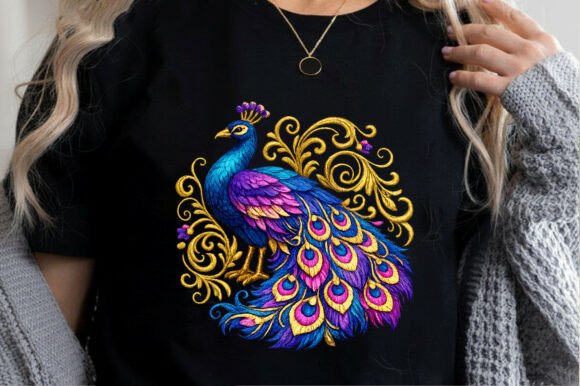
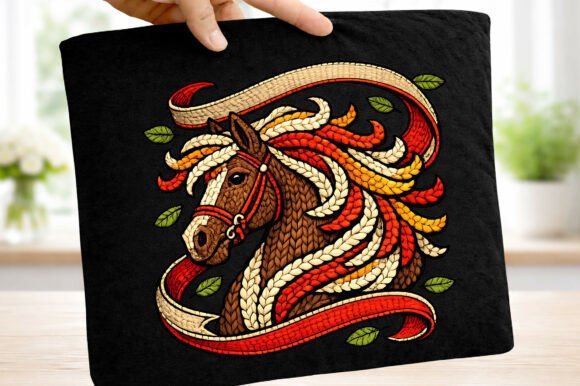
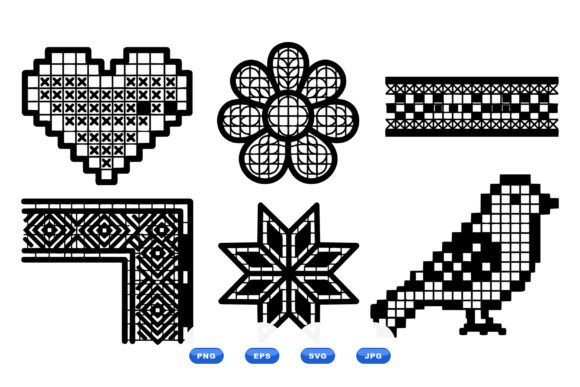
What strikes me first is the variety within the collection. Some patterns lean into dense, decorative hand embroidery motifs, while others feel more practical, almost like stitch samplers that could transition easily into functional textile design elements. The thread formations include what appears to be satin stitch borders, running stitch outlines, crosshatch fill textures, and several decorative knot-style accents. The color choices are vibrant without tipping into garish territory, and the spacing between elements feels deliberate, not crowded.
For a handmade product designer, this kind of layout is immediately useful. I can mentally place individual motifs onto a corner of a pillow cover, or visualize a specific border pattern running along the hem of a kitchen towel. That mental translation, from screen to stitched product, is the real test of any embroidery design asset. Colorful Embroidery Stitch Patterns Show passes that first mental test without strain.
Where This Design Collection Belongs
After spending time with the graphics, I started mentally assigning projects. The decorative stitch clusters feel naturally suited to embroidered patches, baby clothing accents, and personalized gift items like monogrammed tote bags or framed hoop art. The more linear stitch formations could work beautifully on apron straps, tea towel borders, or the cuffs of a custom sweatshirt. There is a certain handmade warmth in the patterns that would translate well to boutique branding, especially for craft fair products or small shop merchandise where the customer expects visible texture and handcrafted character.
I recently prepared a custom embroidered tote bag for a client who wanted something colorful but not overly floral. The stitch patterns in this collection gave me exactly the kind of structured playfulness I needed. I pulled a repeating border motif from the set and paired it with a simple satin stitch initial in the center. The result looked intentional, balanced, and far more professional than a random decorative frame I might have digitized on the fly. The client's reaction confirmed what I suspected: customers respond to designs that feel cohesive and thoughtfully composed.
Small Shop Merchandise and Etsy Listings
For Etsy sellers and craft business owners, presentation is everything. Listing photos that show embroidery designs on clean white backgrounds tend to perform better because they help buyers imagine the design on their own products. Colorful Embroidery Stitch Patterns Show already lives in that clean presentation space, which makes it easy to drop into printable mockups or digital product previews without heavy editing. The design assets feel ready for commercial use right out of the folder, though I always recommend confirming licensing before selling finished items or including the files in a digital embroidery bundle.
Real-Life Embroidery Performance Considerations
Now, the practical side. No matter how beautiful a design looks on screen, the embroidery machine tells a different story. When I evaluate a collection like this, I think about stitch density first. Decorative patterns with tightly packed fill stitches can become problematic on thin fabric or stretchy fabric. If you plan to stitch these formations onto a baby onesie or a lightweight t-shirt, you need to test the design on scrap fabric first. Use a proper stabilizer, and consider whether the stitch density needs adjustment before committing to the final product.
On textured fabrics like terry cloth or fleece, the finer details in some of the stitch formations might lose definition. A running stitch border that looks crisp on a flat white background could become slightly muddled on a plush sweatshirt surface. I would not discourage anyone from experimenting, but I would advise testing on the exact fabric you plan to sell. Customers notice when a design looks blurry or uneven, and that can quietly erode trust in your handmade brand.
Dark Fabric and Thread Contrast
One exercise I always do with new design assets is to mentally invert the colors. If a pattern relies on light, bright thread colors, it may not read clearly on a dark fabric background. The stitch formations in Colorful Embroidery Stitch Patterns Show appear to have enough contrast in their original presentation, but if you plan to stitch onto a dark hoodie or a black cap, test the thread color contrast carefully. Sometimes a design that looks vibrant on white becomes surprisingly flat on navy or charcoal. Check it in black and white mockups to see if the value structure holds up.
Using the Design on Curved Surfaces and Small Hoops
Curved surfaces like caps and hats require extra attention. Not every decorative pattern in this collection will fit neatly into a small hoop size. The more expansive stitch formations might need to be split or scaled down, which changes the stitch density and detail level. If you are working with small hoop sizes, look for the simpler, more compact motifs. Trying to cram a complex border pattern into a tiny embroidery area is a recipe for thread breaks and frustration.
On caps in particular, the center seam and curved profile can distort patterns that were designed for flat surfaces. A symmetrical stitch formation that looks perfect on a flat white background might appear slightly skewed once stitched onto a structured cap. I have learned this the hard way. Test placement carefully, and do not assume the design will behave the same way on every product.
Product Categories Where This Design Shines
If I were listing products made with Colorful Embroidery Stitch Patterns Show, I would target several specific categories. Tote bag designs benefit from the decorative border motifs and colorful accents. Pillow covers gain a handcrafted, artisan feel when the stitch patterns are used as corner embellishments or central medallions. Kitchen towels and aprons feel elevated with a simple running stitch border in a contrasting thread color. Nursery decor and baby items can use the softer, more playful stitch formations without overwhelming the fabric.
For holiday gifts, the collection's versatility is a genuine asset. A personalized embroidered patch made from one of the decorative stitch clusters becomes a thoughtful, one-of-a-kind present. A set of embroidered tea towels featuring coordinated border patterns from the same collection feels like a boutique product rather than a casual craft. The perceived value increases when the design feels intentional and cohesive, which is exactly what this collection provides.
Apparel Applications and Layered Garments
Custom apparel is where I see the most potential, and also the most risk. Sweatshirt embroidery using these stitch formations can look stunning if the stabilizer is correct and the fabric is properly hooped. But layered garments with seams, zippers, or thick hems can interfere with the embroidery area. Always check the placement before stitching, and avoid positioning detailed stitch patterns directly over a bulky seam. The design will not lie flat, and the stitching clarity will suffer.
For t-shirt embroidery, the fabric weight matters. A lightweight jersey can pucker around dense fill stitches, even with proper stabilizer. The thinner and more open stitch formations in this collection will likely perform better on lightweight fabrics. Reserve the denser decorative patterns for sturdier materials like canvas, denim, or heavy cotton twill.
Stitch Clarity and Customer Perception
Buyers respond to embroidery that looks clean, intentional, and professional. The stitch formations in this collection have a clarity that translates well to finished product photography. The shapes are recognizable, the spacing is consistent, and the overall composition feels balanced. These qualities matter when a customer is scrolling through Etsy listings or browsing a craft fair table. A design that looks messy or overcrowded does not inspire confidence, no matter how skillfully it was stitched.
I also appreciate that the collection includes both decorative and practical hand embroidery patterns. This versatility means I can use the same design asset for a delicate baby item and a sturdy kitchen towel without it feeling out of place on either product. Brand consistency across different product categories is easier to maintain when the design language stays cohesive.
Practical Designer Notes Before You Stitch
Before you load Colorful Embroidery Stitch Patterns Show onto your machine, walk through a few essential checks. First, test the design on scrap fabric that matches your final product. Do not skip this step. Thread tension, fabric behavior, and stabilizer performance all interact with the design in ways you cannot predict from a screen preview alone.
Second, review the stitch density. If the design includes dense fill stitch areas, consider whether your fabric and stabilizer combination can handle it. A design that stitches beautifully on a sturdy canvas tote bag might pucker badly on a thin cotton shirt. Adjust accordingly, and do not be afraid to edit the file if your software allows it.
Third, check the hoop size requirements. The collection's layout on a clean white background might suggest a larger embroidery area than your machine can accommodate. Confirm the actual dimensions of the individual motifs you want to use, and make sure they fit your available hoop sizes before you start a project.
Fourth, inspect the small details. Some stitch formations may include tiny elements like individual knots or fine running stitch lines. On a textured fabric or a dark background, those details might disappear. Test them in context, and consider simplifying if the detail level exceeds what your fabric can reasonably display.
Fifth, check the licensing. As with any Graphics or Illustrations product, confirm whether the files are cleared for commercial embroidery use, digital product resale, or inclusion in finished handmade items. The product description mentions a collection of colorful thread stitching formations on a white background, but specific license terms are not detailed here. Verify before you sell anything that incorporates these design assets.
How This Fits Into a Craft Business Workflow
For a small business owner managing multiple product lines, time is the most valuable resource. Colorful Embroidery Stitch Patterns Show reduces the time spent searching for cohesive design elements. Instead of pulling individual motifs from five different sources and hoping they match, I can work within a single collection that already feels visually consistent. That consistency speeds up product development and helps maintain a recognizable brand aesthetic across tote bags, patches, apparel, and home decor items.
The collection also works well for printable mockups and digital product previews. The clean white background and organized layout mean I can quickly drop the graphics into a product listing image without heavy editing. For an Etsy seller or digital product seller, that efficiency adds up over dozens of listings.
Final Thoughts Before the First Stitch
After evaluating Colorful Embroidery Stitch Patterns Show from a practical design perspective, I see it as a solid, versatile collection that prioritizes clarity and cohesion over flashy complexity. The thread stitching formations are appealing, the color presentation is bright and inviting, and the overall structure feels intentional. It is not a one-size-fits-all solution, and no embroidery design ever truly is, but it offers enough variety and practical utility to earn a place in a working designer's library.
Test it on your fabric, check your thread colors, use the right stabilizer, and confirm your licensing. Do those things, and this collection can become a reliable building block for handmade products that feel polished, professional, and genuinely worth the price. That is the standard I measure every design against, and Colorful Embroidery Stitch Patterns Show meets it with room to spare.