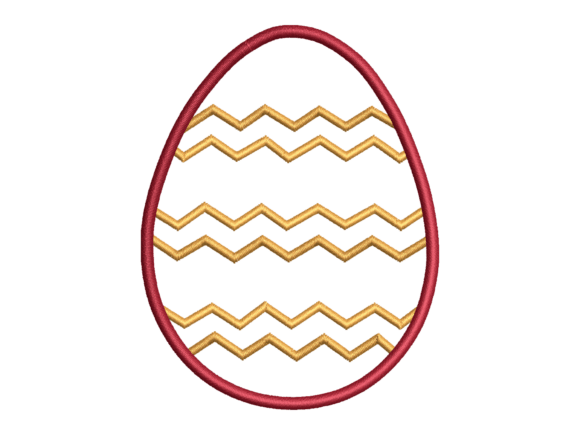
Decorative Easter Egg Embroidery
A Designer’s First Look: Charm Without Clutter
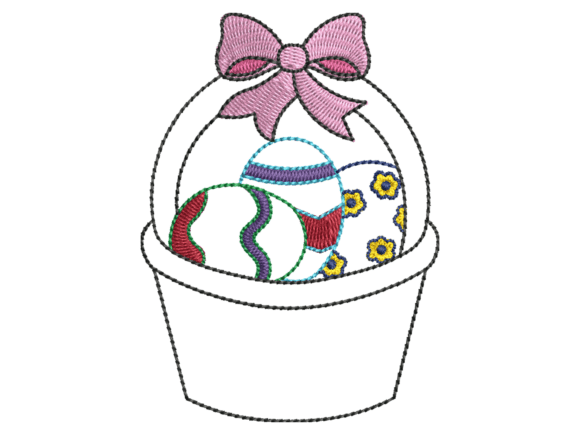
Opening the Decorative Easter Egg Embroidery file feels like unwrapping a spring morning—light, intentional, and quietly joyful. It’s not overly sweet or cutesy; it leans into clean lines and balanced negative space, with subtle textural accents that suggest hand-painted eggs rather than cartoonish motifs. As an embroidery designer who’s stitched hundreds of holiday-themed files, I appreciate how this design avoids visual noise. The egg shape is generous but not oversized, the decorative bands and flourishes are spaced to breathe, and there’s no tiny lettering or fragile stems that’ll vanish in satin stitch. It reads well at 3.5–4 inches wide—ideal for a tote bag front, a baby onesie chest placement, or a tea towel corner.
Where It Shines in Real Projects
Last week, I prepped a batch of custom embroidered linen aprons for a local bakery’s Easter pop-up. I chose Decorative Easter Egg Embroidery as the focal motif—not because it screamed “Easter,” but because it whispered “thoughtful craft.” Stitched on medium-weight linen with matte cotton thread, it held up beautifully: the fill stitches laid flat, the satin-stitched borders stayed crisp, and the overall silhouette read clearly from across the room. That same file later became a small embroidered patch on organic cotton sweatshirts for a children’s boutique—and again, it translated cleanly. It works especially well for custom apparel, tote bag design, baby embroidery, and holiday embroidery where warmth and craftsmanship matter more than flash.
I’ve also used it as a standalone element in printable mockups for an Etsy seller launching a seasonal digital embroidery bundle. Because the composition is self-contained and centered, it scales predictably across product previews—from pillow covers to kitchen towels—without needing heavy cropping or layout adjustments. That kind of versatility makes it strong design assets for creative entrepreneurs building cohesive collections.
Where to Pause—and Test
This isn’t a one-size-fits-all file. On stretchy knits (like lightweight t-shirts), I recommend adding cutaway stabilizer beneath the hoop and reducing stitch density slightly—especially in the curved band areas—to prevent puckering. On dark fabric, double-check contrast: some versions of the design use lighter fill tones that may fade against charcoal or navy unless paired with high-contrast thread colors. And if you’re planning embroidered patch production, verify whether the outer edge includes a clean satin-stitched border—some versions end with a running stitch outline better suited for in-the-hoop applique than standalone patches.
It’s also worth noting: while the egg shape is forgiving on flat surfaces, avoid placing it near seams or curved areas like cap brims without testing first. The topmost flourish can catch on stitching tension shifts, especially on structured headwear. For small hoop sizes (under 4x4 inches), check the actual dimensions in your software—some variations include optional inner details that may need trimming for tight spaces.
What It Adds to Your Finished Product
Stitching Decorative Easter Egg Embroidery doesn’t just add decoration—it adds intention. Customers notice when a motif feels considered, not copied. On personalized gifts—say, a linen baby blanket or a monogrammed kitchen towel—the design elevates the handmade product from “nice” to “meaningful.” It supports brand consistency for small shop owners who value quiet elegance over trend-chasing, and it builds buyer engagement because it invites closer looking: the gentle curve of a vine, the rhythm of repeated dots, the way light catches a satin border.
For Etsy sellers and craft fair vendors, this file performs well in photos. It photographs cleanly on both light and dark backgrounds, holds detail in thumbnail size, and reads instantly as “handmade” without shouting. That trust factor matters—especially when buyers are choosing between dozens of Easter-themed listings. It doesn’t feel mass-produced, even though it’s a digital embroidery file.
Practical Notes Every Designer Should Run Through
- Test first—Always run a sample on scrap fabric matching your final project’s weight and texture.
- Review stitch density—If your machine struggles with dense fills, consider simplifying inner layers before stitching on delicate fabrics like voile or thin cotton.
- Confirm hoop size—Open the file in your embroidery software to verify actual dimensions and orientation. Don’t assume it fits your standard hoop.
- Inspect small details—Zoom in on corners and curves. Are any elements under 1mm wide? Those may not translate reliably on home machines.
- Try black-and-white mockups—This reveals contrast issues and helps assess visual weight before committing thread.
- Match stabilizer to fabric—Lightweight tear-away works for stable wovens; cutaway is safer for knits or textured linens.
- Check licensing—Since this is a digital embroidery file, confirm whether commercial use is permitted before selling finished items or bundling it into your own craft business offerings.
Final Thought: A Quiet Workhorse, Not a Flashy Gimmick
Decorative Easter Egg Embroidery won’t dominate a catalog page—but it will earn repeat orders from customers who recognize thoughtful design. It’s the kind of file that looks better after washing, holds up in gift packaging, and feels right on heirloom-quality pieces. Whether you’re a seasoned commercial embroidery operator or a hobbyist building a side hustle, this design earns its place in your library by doing what great embroidery should: supporting the product, honoring the craft, and leaving space for the maker’s voice to come through.