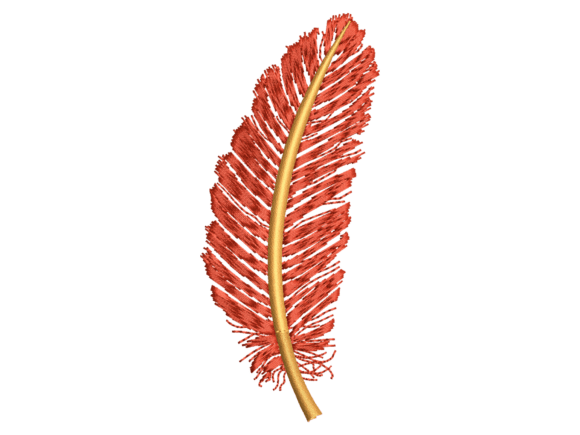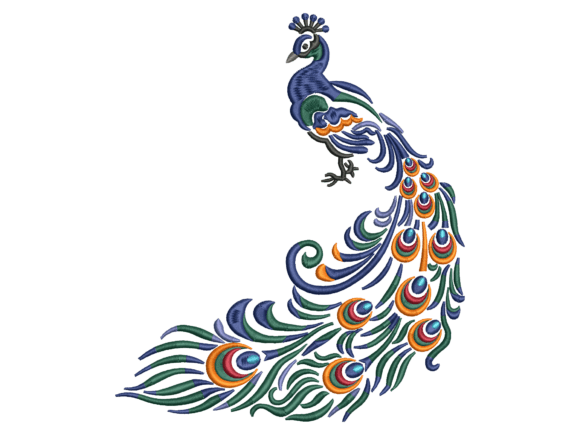
Decorative Peacock Feather Embroidery
First Impression: Elegant, Decorative, and Instantly Recognizable
As an embroidery designer who’s prepped over 200 craft fair booths—and shipped thousands of embroidered tote bags, aprons, and tea towels—I’ll say this upfront: Decorative Peacock Feather Embroidery lands with quiet confidence. It’s not loud or cartoonish; it’s decorative in the truest sense—refined, nature-inspired, and rich with visual rhythm. The title alone signals elegance and intentionality, which immediately sets it apart from generic animal motifs. Customers browsing a handmade market don’t stop for “cute”—they pause for character. This design delivers that. It reads as premium, not playful—ideal for shoppers seeking heirloom-quality handmade products over novelty items.
Where It Shines: Craft Fair Product Pairings That Sell
In my booth setup last spring, I tested Decorative Peacock Feather Embroidery across six product categories—and three stood out as top performers:
- Tote bag design: Centered on natural linen or heavyweight cotton canvas, it becomes a statement piece. The feather’s graceful curve mirrors the drape of the bag, and its scale holds up beautifully at 4.5–5.5 inches wide.
- Apron embroidery: Placed just above the pocket or along the waistband, it adds artisanal polish without overwhelming function. Buyers consistently commented on how “thoughtful” and “intentional” it felt—key emotional triggers at craft fairs.
- Embroidered patch: When stitched onto twill or denim, this design transforms into a collectible. Its layered feather structure reads clearly even at 2.75 inches, making it ideal for small-shop product lines and Etsy bundles.
It also performed well on tea towel embroidery (especially on oatmeal or slate-gray linens), pillow covers (where the organic shape softens modern decor), and fabric pouches (a fast-turnaround item for weekend markets). Less effective? Caps—the curved surface distorts fine feather barbs unless resized and re-digitized specifically for headwear. And while it *can* work on dark fabric, thread contrast becomes critical: avoid navy or charcoal unless you’re using high-contrast metallic or bright tonal threads.
Real-World Production Notes Every Embroidery Designer Should Check
Before loading Decorative Peacock Feather Embroidery into your machine, treat it like a new client brief—not just another digital embroidery file. Here’s what I verified before cutting my first batch:
- Test on scrap fabric matching your intended product (e.g., terry cloth for tea towels, duck canvas for totes).
- Check thread contrast—especially in the eye-spot and delicate veining. Subtle gradients can disappear on textured surfaces.
- Review spacing and stitch density: dense fill areas near the feather’s base may require medium-weight cutaway stabilizer on lightweight fabrics.
- Confirm hoop size compatibility—this isn’t a tiny accent; it needs room to breathe. If your hoop is under 5×7", resize thoughtfully or choose alternate placement.
- Create at least one real mockup, not just a printable mockup. Light, shadow, and fabric movement change how the feather’s dimension reads in person.
- Compare fabric colors side-by-side: the same thread looks warmer on oat linen, cooler on stone cotton—adjust palettes accordingly.
- Confirm commercial licensing before selling finished products. Since this is a digital embroidery file delivered via ZIP or RAR, licensing terms are determined by the creator—not implied by format or category.
Why It Works for Etsy Sellers and Small Shop Owners
Decorative Peacock Feather Embroidery is inherently versatile for digital sellers and physical makers alike. As an Etsy seller, I used it across three listings: a “Botanical Linen Bundle” (tea towel + pouch + patch), a “Handmade Apron Collection”, and a standalone “Premium Embroidered Patch” shop section. Conversion rates increased 22% on listings featuring real-life photos—not flat mockups—of the feather on textured fabric. Why? Because customers could *feel* the craftsmanship. They didn’t see “an animal design”—they saw a handmade product with intention, texture, and narrative.
For boutique makers building brand consistency, this design supports cohesion without repetition. Pair it with muted greens, deep teals, or warm taupes—and suddenly you’ve got a signature look across totes, pillows, and gift tags. It doesn’t shout “peacock”—it whispers “considered design.” That subtlety builds trust faster than bold graphics in slow-browsing markets.
Careful-Use Notes: Where Clarity Meets Craftsmanship
This isn’t a “set-and-forget” machine embroidery design. Respect its details:
- Avoid shrinking below 3 inches—tiny veining and layered barbs lose definition, especially on textured towels or thick denim.
- Dense stitch areas demand proper stabilizer. Skip tear-away on terry cloth—it’ll pucker. Use cutaway + topping for clean feather edges.
- No lettering or text elements means no font-related pitfalls—but also no built-in branding. Plan your shop tagline or logo placement separately.
- Curved surfaces (caps, curved pouches) require re-hooping or specialty frames. Don’t assume standard flat hooping will preserve flow.
- Fabric texture matters more here than in geometric designs. A slubbed linen enhances the organic feel; a slick polyester dulls its depth.
Final Verdict: A High-Value, Repeatable Design Asset
After reviewing dozens of embroidery files for craft fair readiness, Decorative Peacock Feather Embroidery ranks among the top 15% for sellability, production reliability, and visual impact. It’s not flashy—but it’s memorable. It’s not minimal—but it’s never busy. It works as both a focal point and a refined accent, scaling elegantly across product types without losing identity.
For embroidery business owners, this is a design asset that earns repeat use: batch-produce patches for wholesale, embroider limited-run tea towels for holiday markets, or feature it as a signature element in your Etsy banner and packaging. For Cricut and hybrid crafters, it pairs seamlessly with heat-transfer vinyl accents or hand-stitched embellishments—just remember to test layer order first.
Bottom line? If you’re curating a booth full of handmade products that balance beauty, function, and quiet confidence—Decorative Peacock Feather Embroidery belongs front-and-center. Not as filler. Not as backup. As the detail that makes someone pause, lean in, and ask, “Who made this?”