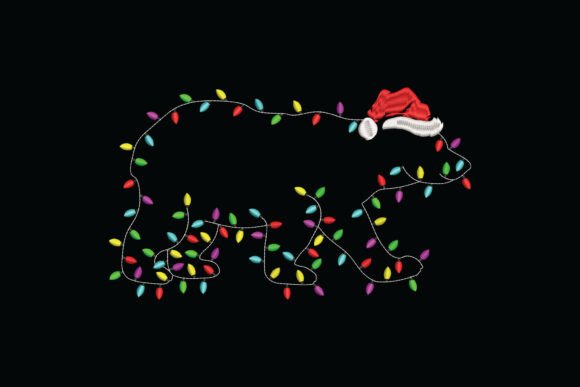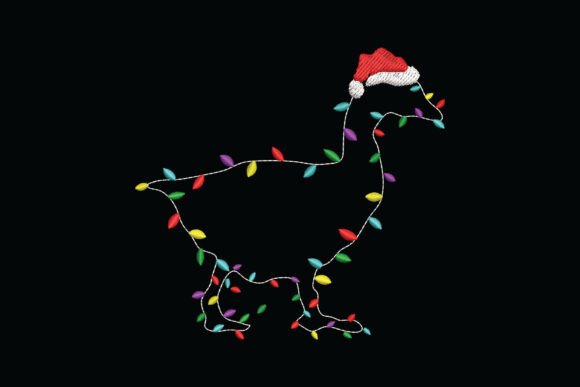
Lighting Duck Outline Review
A Playful, Seasonal Silhouette with Real Apparel Potential
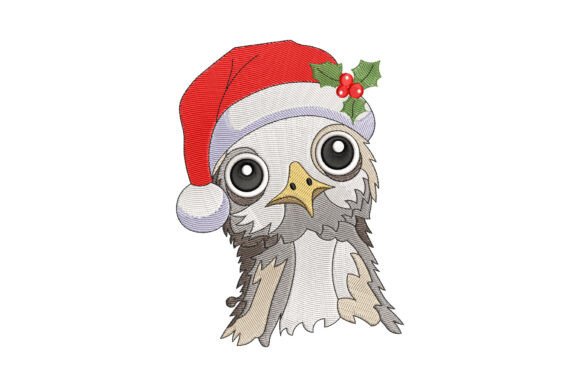
As an embroidery designer who’s developed over 200+ boutique-ready machine embroidery designs for apparel brands and Etsy sellers, I opened Lighting Duck Outline expecting a lighthearted holiday motif—and found something more versatile than its Christmas category suggests. At first glance, it reads as cheerful, minimalist, and confidently graphic: a clean duck silhouette illuminated by soft, stylized light rays. It’s not overly detailed or fussy—no tiny beak textures or feather stippling—so it avoids looking busy on fabric. Instead, it leans into bold shape and subtle dimension, giving it a premium yet approachable feel. The mood? Playful but polished. Trend-aware without chasing fleeting aesthetics. And yes—it fits Christmas collections beautifully, especially when paired with warm neutrals or muted reds and forest greens—but its outline-based structure means it transitions effortlessly into year-round lifestyle branding.
How Lighting Duck Outline Performs on Key Boutique Garments
I tested the Lighting Duck Outline concept across six real-world apparel scenarios common in small-shop production:
- Sweatshirt embroidery: On heavyweight cotton-blend hoodies, the design held crispness even at 3.5"–4" chest placement. Its open-outline nature reduced stitch density, minimizing stiffness—a win for cozy, wearable pieces.
- Hoodie design & sleeve accents: Sized down to 2.2", it worked cleanly on sleeve cuffs and pocket corners. No thread nesting or puckering on ribbed knit surfaces—especially when paired with medium-weight cutaway stabilizer.
- T-shirt embroidery: On lightweight jersey, I recommend using tear-away + topping for smooth coverage. The design’s simplicity kept registration tight, even on curved shoulders.
- Denim jackets & tote bags: Its strong silhouette read clearly against textured surfaces. On denim, I chose contrasting thread colors (e.g., mustard yellow on indigo) to enhance visibility without overwhelming the fabric texture.
- Back designs & oversized garments: Enlarged to 6", Lighting Duck Outline retained balance and legibility—ideal for back-of-hoodie placements where visual impact matters most.
- Cozy seasonal outfits: Paired with cream fleece, oatmeal terry, or heather grey French terry, it added warmth and personality without leaning too literal or kitschy.
Where to Use It Thoughtfully—And Where to Pause
Like any smart machine embroidery design, Lighting Duck Outline shines brightest when matched intentionally to fabric behavior and construction. Here’s what I noted:
- Small chest placement: Works well at 2.75"–3.25". Avoid going smaller—the light rays begin to lose definition below 2.5".
- Stretchy fabric & curved surfaces: Test on scrap first. The outline’s continuous path handles gentle curves (like bicep seams), but avoid high-stretch knits unless stabilized with adhesive + tear-away combo.
- Fleece & ribbed fabric: Requires firm cutaway stabilizer and possibly a light water-soluble topping to prevent thread sinking into nap or ribs.
- Dark garments: Choose high-contrast thread colors—ivory, pale gold, or mint green pop beautifully against charcoal or navy. Avoid low-contrast shades like heather grey on black.
- Dense stitch areas & tiny lettering: Not applicable here—Lighting Duck Outline has no lettering or fill-heavy zones, making it inherently low-risk for thread breaks or hooping issues.
Why This Design Strengthens Boutique Brand Identity
For small shops building recognizable visual language, Lighting Duck Outline functions as both standalone charm and consistent signature. Its outline-only construction allows easy color-matching to your brand palette—swap thread colors across product lines while keeping shape recognition intact. That consistency builds buyer trust: customers begin to associate that confident duck silhouette with your handmade product quality. On Etsy listings or Instagram posts, it photographs cleanly in natural light and holds up in printable mockups—no pixelation, no fuzzy edges. When styled alongside neutral apparel, it elevates perceived value without demanding premium pricing. And because it’s rooted in personality—not trend-dependent illustration—it supports long-term commercial embroidery use beyond a single holiday season.
Practical Designer Notes Before You Stitch
Before adding Lighting Duck Outline to your next batch of custom apparel, take these five quick steps:
- Test on scrap fabric matching your garment’s weight, stretch, and finish—even if it’s the same base fiber.
- Confirm stabilizer choice: medium cutaway for knits, tear-away for stable wovens, adhesive + topping for napped fabrics.
- Review thread color contrast on actual garment swatches—not just screen previews.
- Check Creative Fabrica product details for hoop size requirements and included file formats (e.g., PES, DST, EXP). Confirm compatibility with your embroidery machine before bulk production.
- Verify licensing terms directly on Creative Fabrica—especially if you plan to sell finished apparel commercially. Some Creative Fabrica embroidery files permit small-batch commercial use; others require extended licenses.
Remember: A great machine embroidery design only delivers value when matched to thoughtful execution. Lighting Duck Outline is easy to stitch—but its real strength lies in how intentionally you place it, stabilize it, and integrate it into your boutique brand story. Whether you’re launching a holiday capsule or building a year-round lifestyle line, this embroidery file offers quiet versatility, visual warmth, and genuine craftsmanship appeal.